



Pictured: Logan Horn ’26 (left) and Vijay Walter ’26 (right)
2026 Research: Wild cats are apex predators in the Rainforest. Their importance in the environment is immeasurable, as they regulate the herbivore population and maintain ecosystem balance. Past research, conducted by the Forman Rainforest Project (2025) and the Wildcat Conservation Society (2008-2019), used camera traps to discover that wild cats are far more present in higher densities and move through forested corridors and riparian zones. Studies have shown that habitat alteration, the sale of animal parts, poaching, and the pet industry have led to the decline of keystone species. Additionally, the temperature of the Earth is also continuously changing, making the wild cats move to colder climates in the rainforest.
2026 Focus Questions:
• As global warming increases, and cats move to higher elevations, how do different cats cross each other’s home ranges? And what does this mean for the food chains of these ecosystems?
• At what times of the day do the wild cats hunt prey? And what times of day are prey vs. predator active?
• Is there going to be a point at which the prey species are lacking, and therefore the cats can’t move higher in elevation?
Click here to read the research paper from the 2024-2025 Wildcats Team, which is titled, “Survey of Wildcat Populations in Premontane, Montane, and Highland Tropical Environments in Costa Rica.”
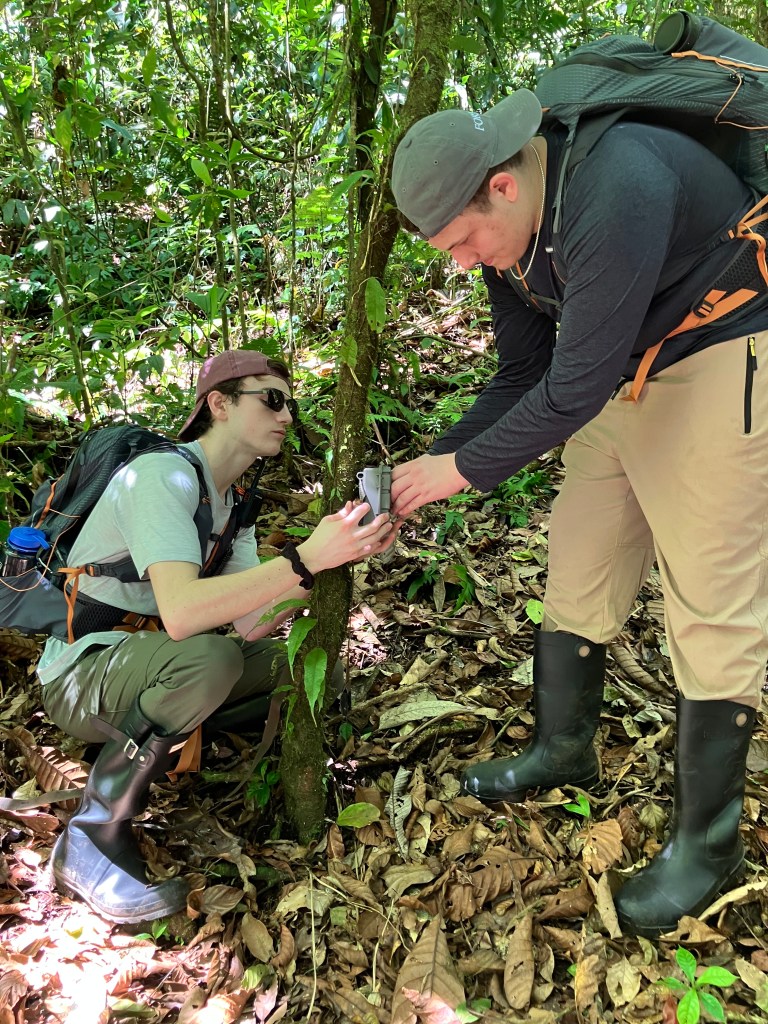
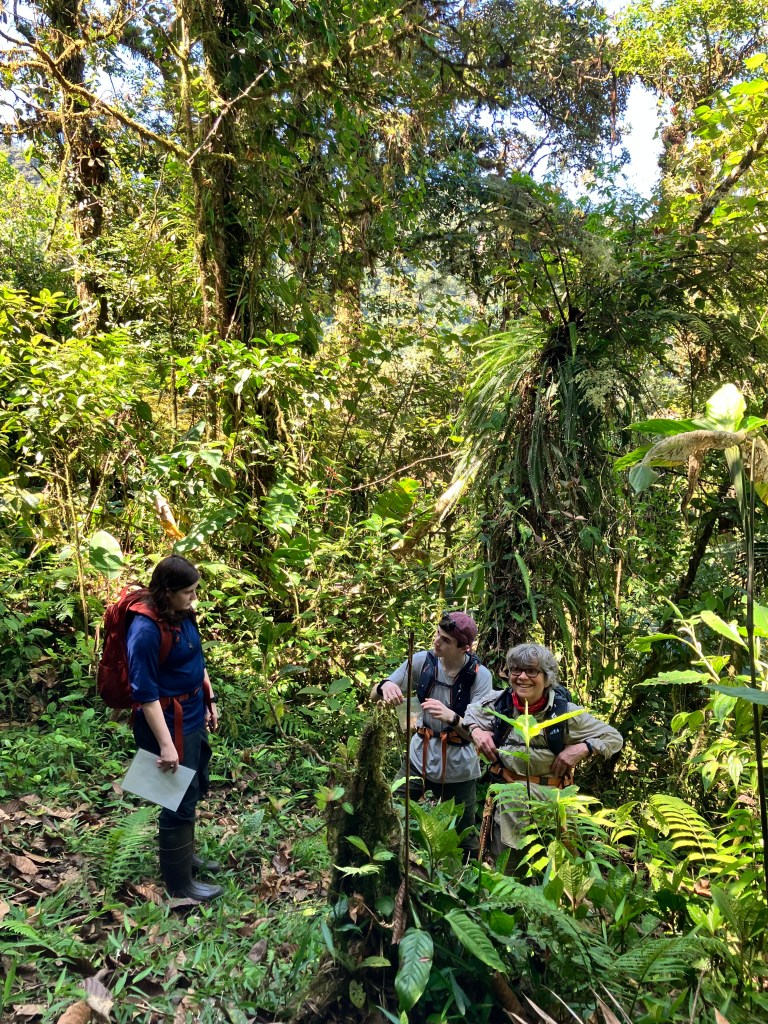
Photos from the 2025 Wild Cat Team.
 Forman School Rainforest Project